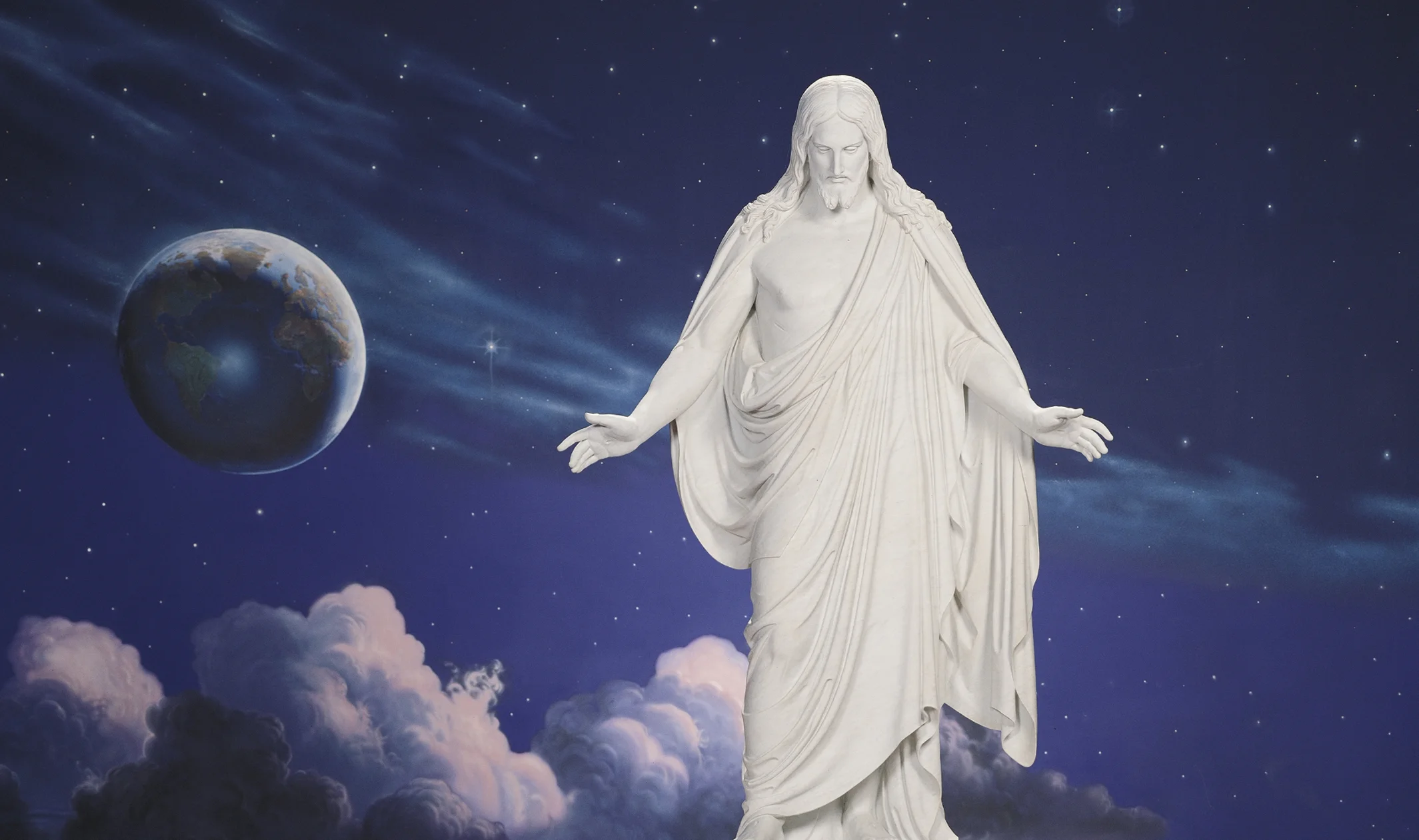
The Almighty Creator
As we begin studying the Apostles’ Creed, we start with its opening confession: “I believe in God, the Father Almighty, Maker of heaven and earth.” Using Scripture, we will explain the meaning of each part of this statement. Our sources will be the opening chapters of Genesis and St. Paul’s teaching in Colossians.
Genesis begins with a clear display of God’s omnipotence. “Omnipotence” is the theological term that means God is ‘all powerful’. It means He has unlimited power to carry out His sovereign will. We see this will unfolding through the authority of His Word. God says, “Let there be,” and the text responds, “and it was so” (Genesis 1:7). After each act of creation, God reviews His work and declares it “good.” The world God made was originally good and ordered according to His will.
Nothing resists this command from God. No outside force or being can limit His power. To confess that God is Almighty is to recognize the One whose Word sets the limits of reality itself. From this, the historic Church has confessed the doctrine of “creatio ex nihilo” (creation out of nothing). This is the belief that God did not simply “shape” pre-existing matter but brought the substance of the universe into existence by His will1.
The Father and His Image
God’s power brings the universe into existence, but His identity as Father becomes clearer when humanity is created. For five days God speaks and the physical world appears. When humanity is created, the pattern changes. Scripture records a moment of speech within the Trinity: “Let us make man in our image, after our likeness” (Genesis 1:26).
This is the origin of the “Imago Dei“, the idea that human beings uniquely reflect God’s own nature. Humanity is not just another part of creation. Man was created to bear God’s image and represent His authority on earth. As St. Athanasius writes, the Word later came into the world “to renew mankind made after the Image,” restoring what had fallen through sin.2
The Son: The Sustainer of Creation
St. Paul explains in Colossians that creation was a united work of both the Father and the Son. “By him all things were created… all things were created through him and for him” (Colossians 1:16). Christ is the “image of the invisible God” (Colossians 1:15).
Creation is not a system that God started and then left alone. Scripture teaches that “in him all things hold together” (Colossians 1:17). The continued existence of the universe depends on the Son. Every structure in creation, living and non-living, remains in place because Christ sustains it.
The Scope of Creation
The phrase “heaven and earth” describes the full scope of creation. It refers to everything that exists, both “visible and invisible” (Colossians 1:16). This includes the physical world we experience and the unseen powers that also exist within creation.
Nothing exists outside this boundary. No part of the universe and no part of our lives stands beyond God’s authority. Part of confessing that God created heaven and earth is to recognize that we live as guests in a world that fully belongs to Him.
Pause and consider the order, beauty, and harmony of the world around you. As you do, consider how creation itself becomes an invitation to reflect on the wisdom of its Maker. As St. Basil the Great rightly observed, “by the beauty of visible things we are led to Him who is above all beauty.”3
How to apply this right now?
To say that God is Father Almighty and Creator will confront the idea that we possess absolute sovereignty over our own lives. If He made us, knows us, and continues to sustain us, then our purpose is not self-defined, but discovered by aligning our desires with His will. As you think on this throughout the week, consider these two questions:
- Are there areas of your life where you are treating God’s instructions as optional rather than as the very truth that holds life together?
- If Christ is currently “holding all things together” (Colossians 1:17), what burdens are you carrying today that assume the world depends entirely on your own strength?
- Unlike many ancient Near Eastern cosmologies that portray the world as fashioned from pre-existent matter (e.g., Enūma Eliš IV.137–138), Jewish and Christian theology came to affirm creatio ex nihilo, the belief that God brought the entire universe (including matter itself) into existence. This idea appears in late Second Temple Judaism (2 Maccabees 7:28) and is reflected elsewhere in the New Testament. (Romans 4:17; Hebrews 11:3)
↩︎ - St. Athanasius, On the Incarnation of the Word (III,14)
↩︎ - Basil the Great, Hexaemeron, (Homily I) ↩︎